
Unlock More on Everyday Spending – Asda Money Cashback Credit Card Rewards Explained
The Asda Money Cashback Credit Card offers more than simply another way to pay for groceries. Many in the UK wonder whether a cashback card can fit real-life routines—and especially, if rewards are as useful as they seem on paper.
This guide explores the everyday value of the Asda Money Cashback Credit Card. For anyone who shops at Asda, or simply prefers to save on essentials, there’s a wealth of practical insights ahead. Those still unsure about rewards systems might find answers—and maybe a surprise or two.
What Makes the Asda Money Cashback Credit Card Stand Out?
Unlike some cards with complicated reward tiers or short-lived offers, Asda Money’s card aims to keep things straightforward. There’s appeal in simplicity, particularly for shoppers who value hassle-free perks.
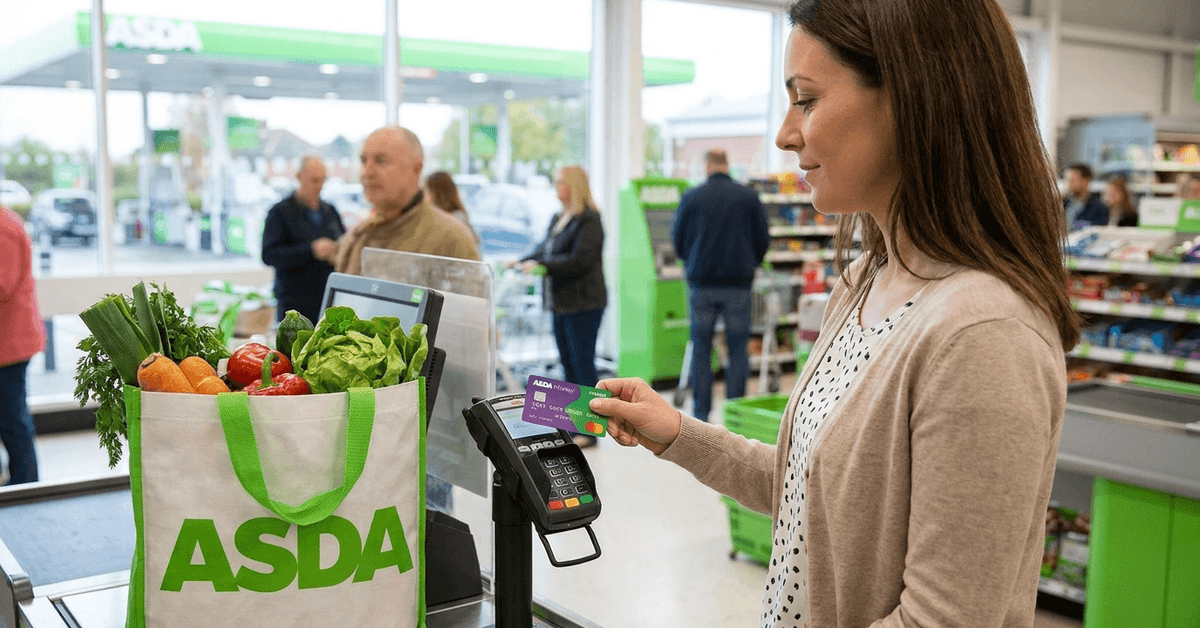
Reward tracking doesn’t require complex maths. Each purchase at Asda, and beyond, has a set cashback rate. This predictability suits people who’d rather focus on their shopping list.
Broad Usability in Everyday Life
The card works not just at Asda supermarkets, but at petrol stations and online too. For those who rarely shop elsewhere, everything feels nicely streamlined.
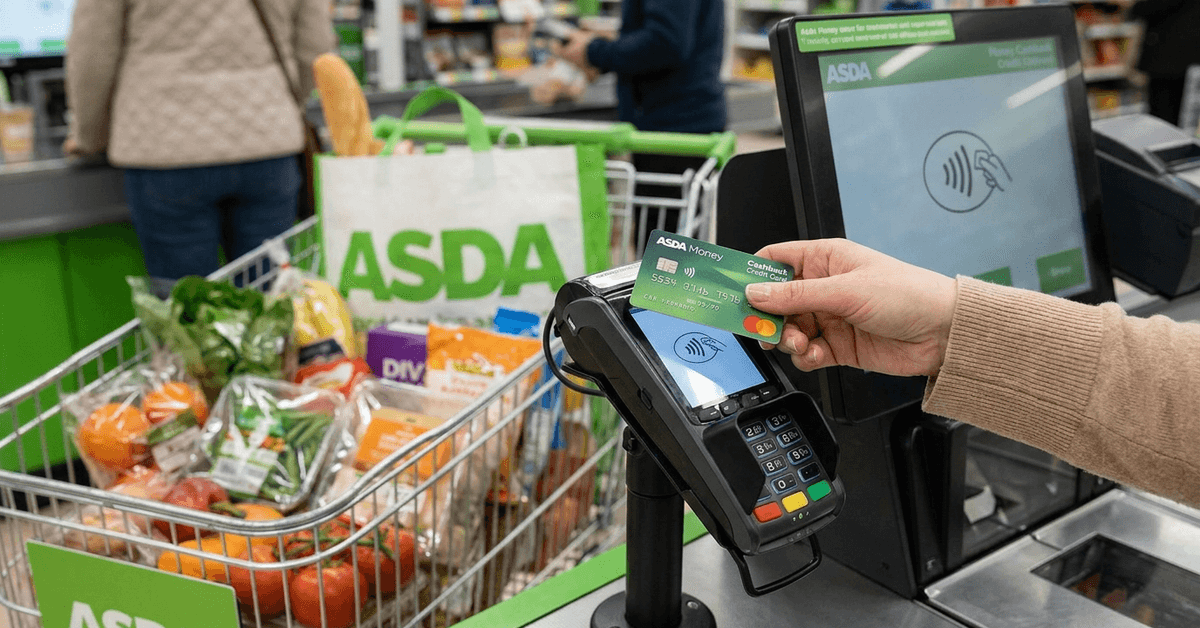
Every eligible transaction earns cashback, though rates can differ by category. That said, the whole thing doesn’t demand a huge rethink of current habits.
Clear Cashback Rates
The essence of the offer lies in its transparent rates. At Asda, returns are higher, but everyday spending elsewhere also counts, albeit at a different percentage.
There’s no urge to sign up for complex points schemes. Cashback appears as a direct, visible benefit—what’s spent returns a portion back, making for tangible rewards.
How Everyday Spending Turns into Cashback Rewards
Perhaps the biggest draw is how routine shopping becomes a chance to save money. Many tend to overlook small cashback amounts, but these can quietly add up through weekly routines.
Typical categories—groceries, fuel, and even online orders—allow cardholders to grow their cashback pot simply by sticking to usual patterns.
Shopping at Asda
Grocery shopping still makes up a major part of most people’s expenses. With the card, each shop at Asda is tracked and rewarded, often with the highest cashback tier.
This makes daily life a little more rewarding, even if there aren't any major changes to where people buy their food or home staples.
Petrol Purchases
The inclusion of Asda petrol stations within the program means that drivers benefit without extra effort. This really suits those commuting or running family errands, where refueling happens regularly anyway.
Cashback accumulates per litre, adding a small but repeatable saving on an often overlooked category of spending.
Non-Asda Spending
Although the main perks target Asda purchases, the card also returns a smaller percentage at most other retailers. This flexibility matters—for example, if a shop happens outside the Asda ecosystem.
Any additional cashback, however modest, enhances the general value proposition. For some, it’s just enough to tip the balance.
Understanding the Annual Fee and Interest Rates
Nearly all financial products come with terms few people love to think about—fees and interest rates top the list. The Asda Money Cashback Credit Card is up-front in these areas.
Currently, there’s no annual fee, which makes the offer more approachable. However, it’s important to consider how interest is calculated, especially if the card isn’t paid off in full each month.
Interest-Free Periods
The card often provides up to a set number of days interest-free if balances are cleared monthly. For those who pay in full, this can be quite beneficial, helping keep costs down while maximizing cashback.
Standard Representative APR
While the rates may not be unique in the credit card market, they fall within the expected range for UK cashback cards. Anyone who plans to carry a balance should look closely at the APR, as interest could outweigh any cashback gains.
Redemption Process and Reward Payouts
How the cashback is paid out can make or break the attraction of a rewards card. Asda’s product attempts to keep it accessible for most people.
There’s usually a minimum threshold before cashbacks can be redeemed. The rewards typically appear as savings on future shopping or as vouchers for Asda stores. It’s a nudge to keep spending with the brand, but arguably, that’s not a bad thing for dedicated customers.
Payout Frequency
Payouts are generally scheduled monthly. This regularity helps, especially for budgeting-minded individuals, as cashback can be factored into grocery or fuel planning.
Checking Cashback Progress
Cardholders can usually view their cashback totals or pending rewards through an online portal or mobile app—a simple “snapshot” style, with no real guesswork about what’s been earned so far.
Security, Support, and Peace of Mind
For anyone wary of credit cards, security is a make-or-break consideration. Asda Money uses trusted banking networks and standard security protocols. Cardholders benefit from features like 36-month fraud reimbursement and the normal consumer protections found in most UK credit cards.
Support is available by customer service teams—both online and by phone. Requests around lost cards or disputed charges are handled along similar lines as other UK banks or financial brands.
As with many cards, keeping personal info current and checking transactions for accuracy remains best practice. But overall, the protective measures compare well to mainstream products.
Eligibility Criteria and Application Process
The card aims for accessibility, but not everyone will qualify. Typical application criteria include age, residency, and a clean credit history. Checking eligibility before applying may help avoid an unexpected dip in credit scores.
The application itself is straightforward, often handled entirely online. After approval, cards arrive in the post, usually within a few working days. Even the activation process won’t surprise seasoned card users.
What Affects Approval?
Factors like income, credit score, and existing debt all play a role. Approval algorithms can be a bit opaque, though there’s consensus that responsible borrowing habits improve one’s chance at a successful application.
Everyday Budgeting – Who Benefits Most from Asda’s Cashback Card?
This card arguably serves families or individuals with predictable, high-volume grocery and petrol spending. Those already loyal to Asda stand to gain the most, simply by doing what they would do anyway.
Light users or those with irregular shopping habits may find the benefits less pronounced. Cashback cards tend to reward routine and consistency.
For students, young professionals, or retirees, the practical benefit hinges on how often Asda features into daily life. It’s worth mapping out a month’s worth of likely spending before making any decisions.
Official Resources for More Information
Readers can review current terms and frequently asked questions directly at the official Asda Money Cashback Credit Card page . Regulatory guidance about credit cards in the UK can also be found at FCA’s consumer credit card resources .
Conclusion: Is the Asda Money Cashback Credit Card a Sensible Choice?
For many everyday shoppers, the Asda Money Cashback Credit Card quietly rewards what they were already likely to buy. Its transparency, ease of use, and clear redemption terms appeal to people who appreciate simple, ongoing value.
Those who look for intricate travel perks or luxury status might find the offer a bit underwhelming. Yet, for anyone focused on household budgets and regular needs, turning routine spending into visible rewards feels like a smart step.
There’s rarely a “perfect” rewards card. But for Asda loyalists, or those wanting a solid cashback return on life's basics, this credit card certainly deserves a closer look.
Visual Suggestions
- Comparison table of major UK cashback cards vs. the Asda Money Cashback Credit Card (features, rates, annual fees).
- Tip box summarizing key eligibility criteria.
- Infographic showing simple monthly cashback accumulation.